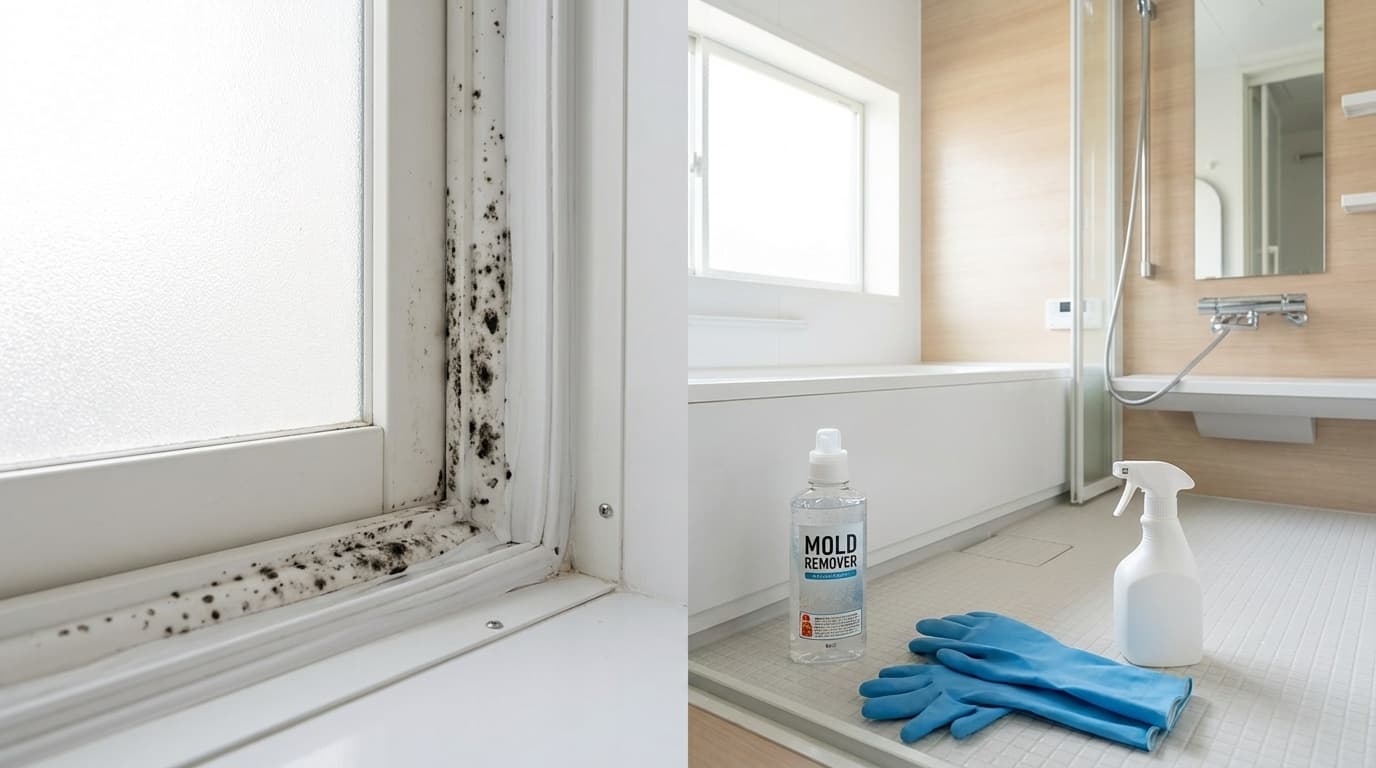
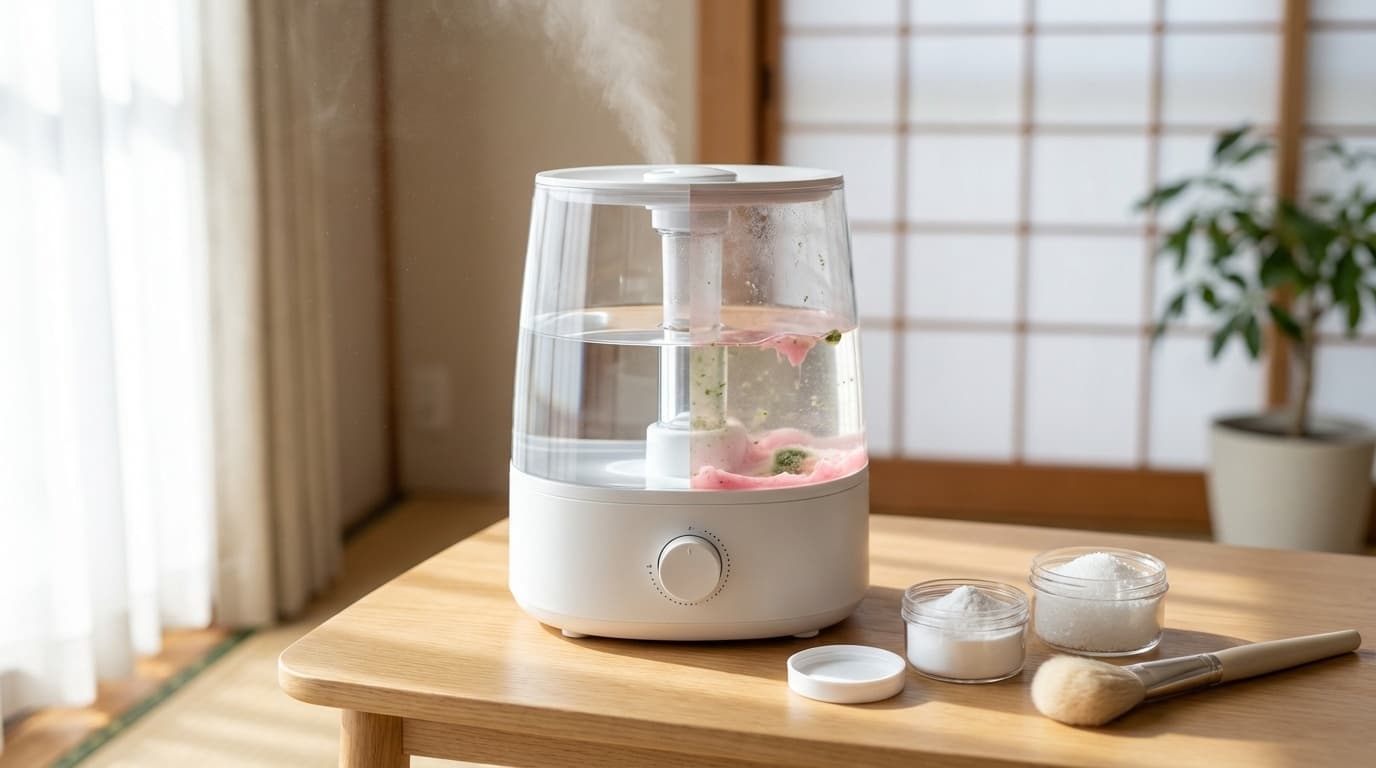
“Why does my humidifier smell weird?” “Why is there pink slime inside the tank?” Sound familiar?
A humidifier is a winter must-have for dry air, but if you skip maintenance, it can turn into a breeding ground for mold and bacteria. In the worst case, it may even raise the risk of “humidifier lung”. As of March 2026, spring is approaching and many people are getting ready to put their humidifiers away. But if you store one while it's still dirty, it may not be usable next season.
In this article, we'll break down how to remove mold, pink slime, and mineral scale from your humidifier by stain type, then walk through the right way to store it during the off-season.
Why Do Humidifiers Get Dirty? What Happens If You Leave Them That Way?
Humidifier grime generally falls into three main types.
Pink slime, often casually called “red mold,” is actually a type of yeast called Rhodotorula. It isn't mold, but it grows extremely quickly. Leave it alone for just a few days and the inside of the tank can start turning pink. Because it thrives wherever there's moisture and warmth, a humidifier tank is an ideal home for it.
Black mold is more likely to appear when pink slime is left untreated. Black mold can grow into the material itself, which makes it much harder to remove once it takes hold.
White mineral scale is caused by minerals such as calcium and magnesium in tap water hardening after the water evaporates. It's especially noticeable in steam and hybrid humidifiers.
Leaving these problems alone isn't just a matter of appearance. According to official information from Panasonic, if you keep using a dirty humidifier, mold and bacteria can be spread throughout the room along with the mist. Ultrasonic humidifiers are considered especially risky because they don't heat the water, so germs in the tank may be released directly into the air.
Using a Dirty Humidifier Can Also Raise the Risk of “Humidifier Lung”
It's not widely known, but there have been real reported cases of pneumonia linked to unsanitary humidifiers.
“Humidifier lung” is formally called hypersensitivity pneumonitis. It can develop after long-term inhalation of mold or bacteria that have multiplied inside a humidifier. According to the Osaka Institute of Public Health, one organism that needs particular attention is Legionella bacteria.
In January 2018, a case was reported at an elderly care facility in Oita Prefecture where Legionella bacteria that had multiplied inside a humidifier tank infected three residents. Legionnaires' disease can become life-threatening when severe, and Weathernews has also highlighted the importance of prevention.
That said, you don't need to panic. Regular cleaning and changing the water can greatly reduce the risk. From here, let's look at the specific cleaning steps.
How to Clean a Humidifier by Type of Grime
Different humidifier stains call for different cleaners. If you use the wrong one, the grime may not come off, so match the method to the problem.
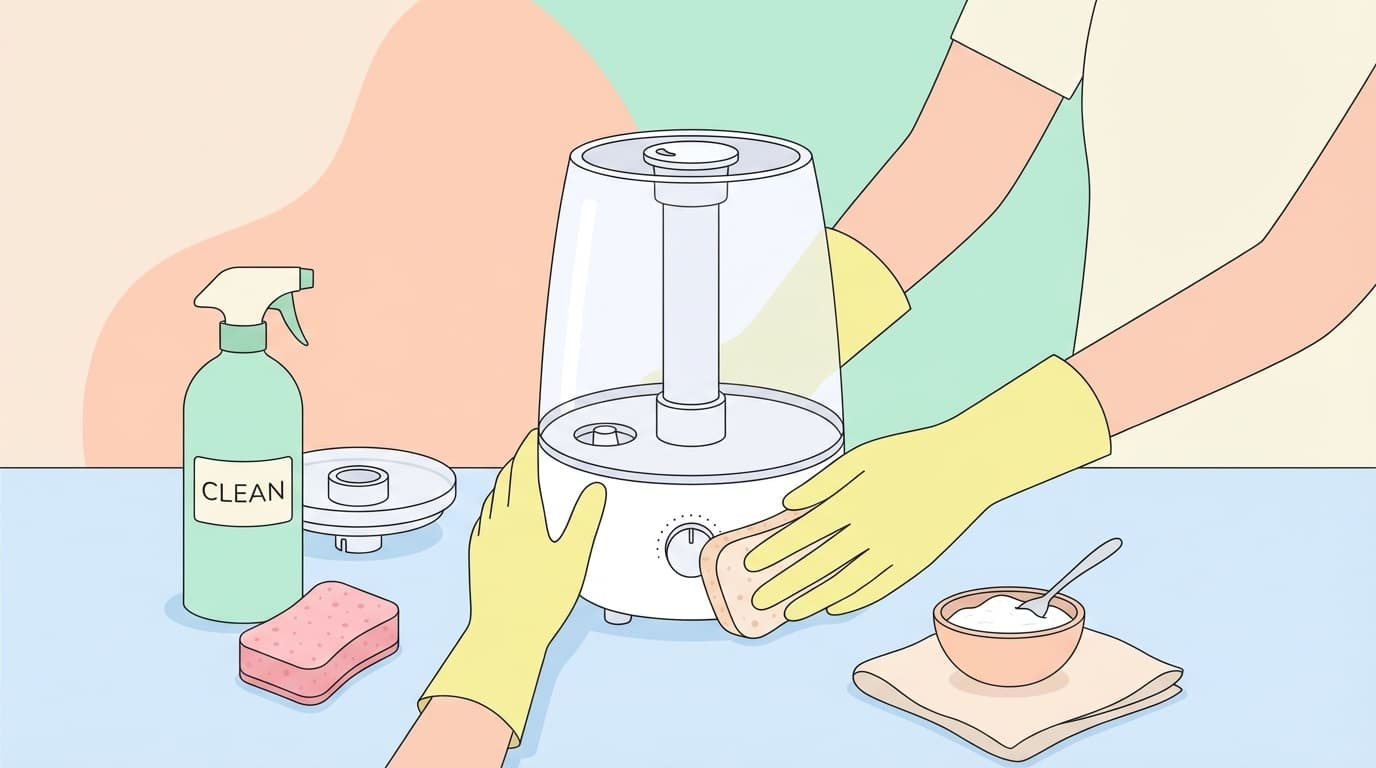
Use Baking Soda for Pink Slime and Mold
For pink slime and black mold, mildly alkaline baking soda works well.
Steps:
- Dissolve 2 to 3 tablespoons of baking soda in 3 liters of warm water, about 104°F / 40°C
- Add removable parts such as the tank and tray, then soak for 30 minutes to 1 hour
- Scrub with a sponge or an old toothbrush
- Rinse thoroughly under running water and let everything dry completely
For stubborn black mold, you can also make a 1:1 paste of baking soda and oxygen bleach, apply it to the stain, leave it for about an hour, then rinse it off. Chlorine bleach, such as household bleach, may damage parts, so choose oxygen bleach instead.
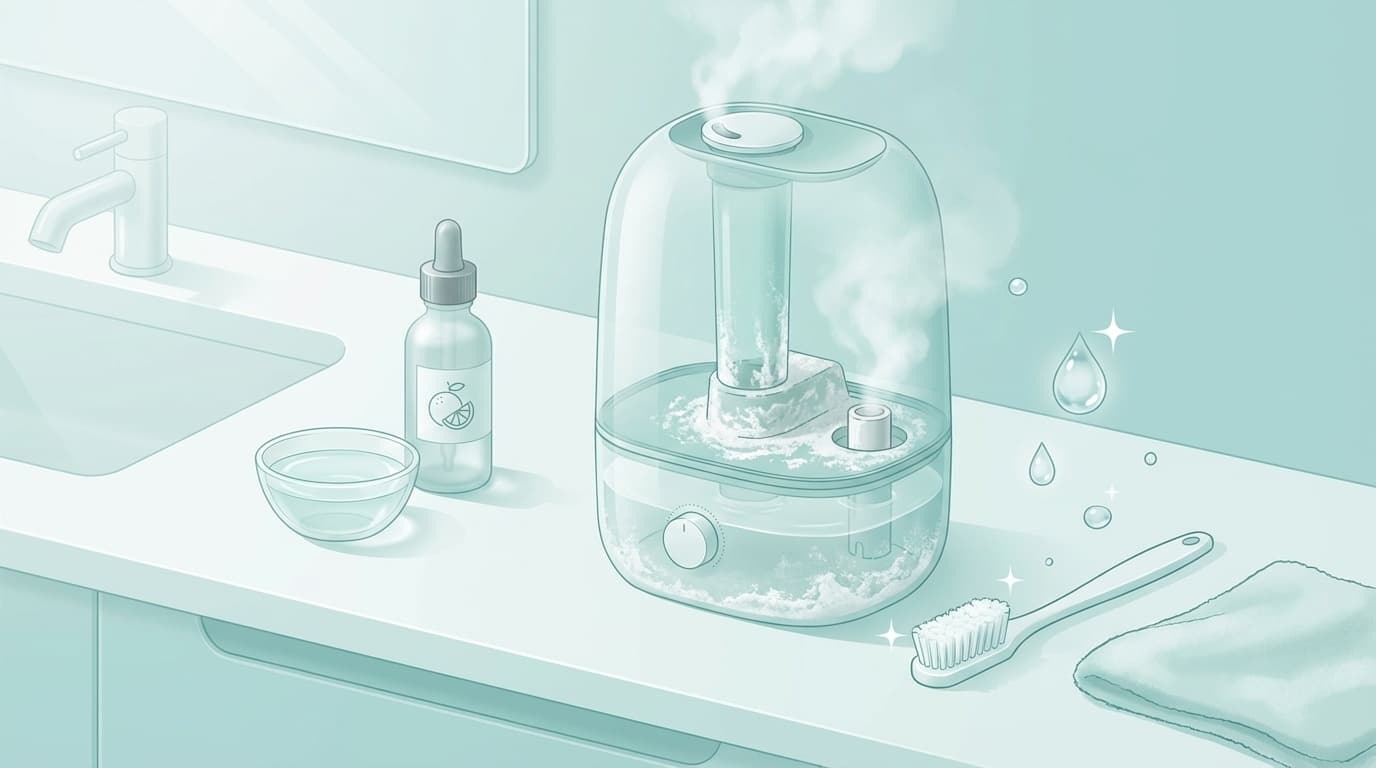
Use Citric Acid for White Mineral Scale
Hard, chalky white scale is an alkaline deposit, so acidic citric acid helps neutralize and remove it.
Steps:
- Dissolve 1 to 2 tablespoons, about 20 g, of citric acid in 3 liters of warm water
- Add the parts with mineral scale and soak for 30 minutes to 2 hours. Soak longer if the buildup is heavy
- Scrub it off gently with a soft sponge
- Rinse under running water so no citric acid remains
In short, remember this: pink or black grime means baking soda; white scale means citric acid.
How to Clean the Filter
Evaporative and hybrid humidifiers have humidifying filters. Filters are especially prone to mold and mineral buildup.
- Remove the filter and rinse it lightly with tap water
- Soak it in citric acid water, using about 6 g of citric acid per 1 liter of warm water, for about 2 hours
- Rinse thoroughly with tap water. Leftover citric acid can cause odors
- Let it dry completely in a shaded, well-ventilated spot
Filter replacement timing depends on the manufacturer and how often you use the humidifier, but as a general guide, replace it every 1 to 2 seasons. If cleaning no longer removes the grime or smell, it's time to consider a new filter.
Everyday Care: 5 Habits That Help Prevent Mold
Cleaning matters, but the best approach is to build habits that keep mold from growing in the first place.
1. Change the tank water every day
Don't just top it off. Empty the old water, rinse the tank lightly, then add fresh tap water. Tap water contains a tiny amount of chlorine, which helps slow bacterial growth.
2. Don't use mineral water or filtered water
This may sound surprising, but mineral water and water from many filters have had chlorine removed, which means bacteria can grow more easily. For humidifiers, tap water is the basic rule.
3. Empty and dry the tank on days you don't use it
It's easy to think, “I'll use it again tomorrow,” and leave water sitting in the tank. But on days you won't use it, dump the water and let the tank dry with the cap or lid open.
4. Soak-clean with citric acid or baking soda once a week
In addition to changing the water daily, doing the soak-cleaning method above once a week helps prevent grime from building up.
5. Don't forget to ventilate around the humidifier
If moisture collects around the humidifier, mold can also grow on nearby walls or furniture. Open a window or run a ventilation fan to keep air moving through the room.
How to Store a Humidifier for the Off-Season So It's Ready Next Year
March and April are common months to put humidifiers away, but if you store yours while it's still dirty, it may be covered in mold and unusable next season. On the official Dainichi website, the recommended three steps are “wash,” “dry,” and “remove dust.”
Step 1: Take it apart and wash it thoroughly
Disassemble all removable parts, including the tank, tray, filter, and outlet. Use the citric acid and baking soda methods above to clean everything well and remove all grime.
Step 2: Let it dry completely
This is the most important part. If even a little moisture remains, mold can grow. Line up the washed parts in a shaded, well-ventilated area and let them dry thoroughly for at least a full day. Simply wiping them with a towel isn't enough.
Step 3: Wipe the main unit and remove dust
Dry-wipe the outside of the main unit with a soft cloth. If dust has built up on the intake filter, vacuum it away. If dirt won't come off, wipe with a cloth dampened with diluted mild detergent, then finish with a water wipe followed by a dry wipe.
Step 4: Store it somewhere dry
If you still have the original box, that's best. If not, wrap it in a large plastic bag or cloth, then store it upright so dust can't get inside. Closets and storage cabinets can trap moisture, so adding a desiccant packet is a smart extra step.
FAQ
Is pink slime in a humidifier harmful to your health?
The pink slime is caused by Rhodotorula, a type of yeast. For healthy people, it usually isn't immediately harmful. However, if you leave it alone, it can create conditions where black mold grows, and inhaling mold spores may trigger coughing or allergy symptoms. Clean it as soon as you notice it.
Do disinfecting additives you put in the humidifier tank work?
Commercial humidifier disinfecting additives can help suppress bacterial growth, but they won't remove mold or slime that's already there. Think of them as prevention, and use them together with regular cleaning.
Does the mold risk change depending on the type of humidifier?
Yes. Ultrasonic models don't heat the water, so they carry a higher risk of releasing germs directly into the air. Steam humidifiers boil water, which gives them an advantage in terms of hygiene, but they're more prone to mineral scale buildup. Evaporative and hybrid models need regular filter care.
Can I mix citric acid and baking soda?
When mixed, they react and foam, but as cleaners they cancel out each other's strengths, so it's not recommended. It's more effective to choose based on the grime: citric acid for white buildup, baking soda for pink or black grime.
References
- Don't Skip Humidifier Care: How to Prevent Germs from Growing in Your Humidifier — Panasonic UP LIFE
- Watch Out for Legionella in Humidifiers — Osaka Institute of Public Health
- Keep It Comfortable Next Season: Store Your Humidifier by Washing, Drying, and Removing Dust — Dainichi Mainichi Plus
- Super Easy Humidifier Cleaning: Use Citric Acid and Baking Soda to Make It Sparkling Clean — Nojima Home Appliance Tips
- Humidifier Lung Can Be Life-Threatening. How Can You Prevent It? — Weathernews