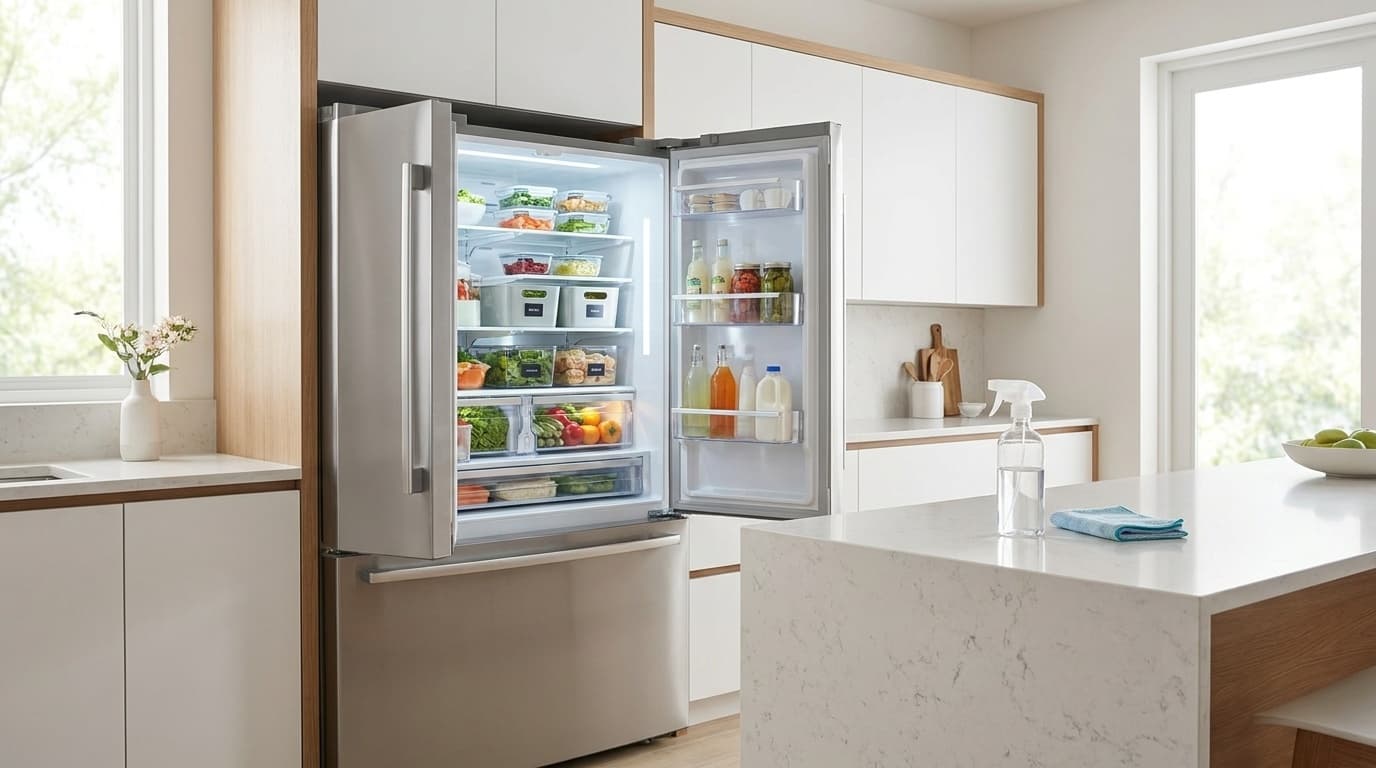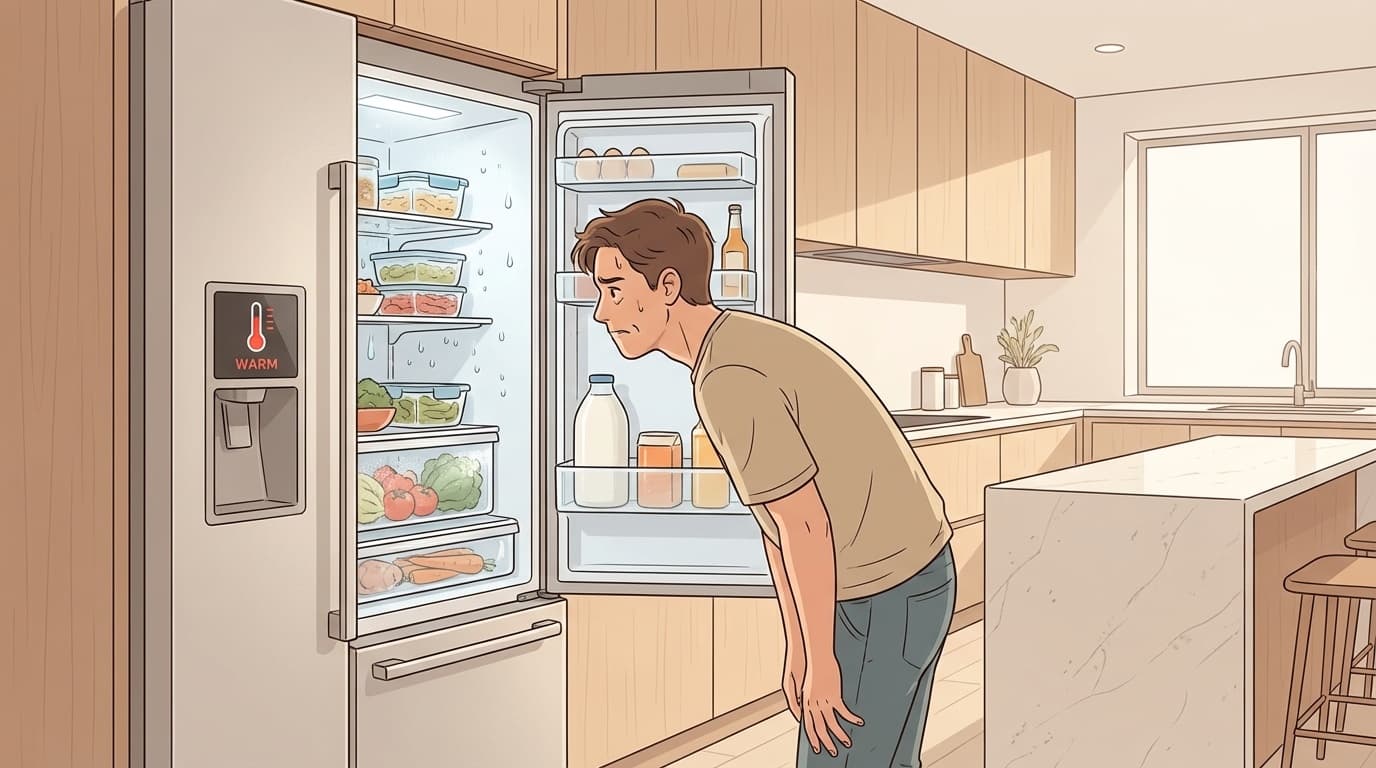
Have you ever felt that "something smells..." the moment you open the refrigerator? What's more, before you know it, a strange smell has spread to the side dishes and rice you've already prepared.I'm sure many of you have experienced this.
If you leave the smell in your refrigerator unchecked, it will spread throughout the refrigerator, creating a vicious cycle that makes it smell bad no matter what you put in it. In this article, we have summarized 5 reasons why your refrigerator smells, how to clean it using baking soda and alcohol, and daily tips to prevent smells from transferring. Information as of March 2026.
5 reasons why your refrigerator stinks
There are roughly 5 patterns of refrigerator odors as shown below. Please check which one fits your refrigerator.
1. Contains ingredients with strong smells
Kimchi, garlic dishes, natto, chives, dried fish... If you store these items only with wrap, the interior of the refrigerator will be filled with odors. Plastic wrap allows odors to pass through, so it's dangerous to think ``it's okay because it's wrapped.''
2. Damage/rotten food
Vegetables that have been shoved in the back of the vegetable drawer and forgotten about, meat and fish that have expired. As decomposition progresses, hydrogen sulfide and ammonia are generated, causingstrong odors. In particular, if the juice from raw meat or raw fish comes into contact with other ingredients, it is not only a matter of smell, but also a hygiene issue.
3. Dirt and spills inside the refrigerator
When small dirt such as spilled seasonings, meat drippings, and squeezed vegetable juices accumulate, bacteria breed. According to Panasonic's official information, bacteria do not disappear inside the refrigerator even at low temperatures, but they multiply slowly using dirt as a nutrient source.
4. Deterioration of the deodorizing filter
Modern refrigerators are equipped with deodorizing filters and deodorizing units, but these also have a limited lifespan. Check the manufacturer's instruction manual to see if the replacement period has passed. If the filter stops working, no matter how much you clean it, you won't be able to get rid of the odor.
5. Dirty/deteriorated door gasket
What is often overlooked is the rubber gasket on the door. If mold or dirt accumulates here, the smell will enter the chamber every time you close the door. When the packing deteriorates and gaps form, the temperature rises, creating a vicious cycle that accelerates food deterioration.
How to clean a smelly refrigerator [step by step]
If the smell is already there, first reset the source of the smell by thoroughly cleaning it.
Step 1: Take out all the ingredients
Transfer the ingredients to a cooler box or insulated bag. The trick is todispose of expired or damaged ingredients at this timing. Surprisingly, I often find things that I don't know when I bought them.
Step 2: Wash removable parts
Wash removable parts such as shelves, vegetable compartment cases, and door pockets with dish detergent. Let it dry thoroughly before putting it back.
Step 3: Wipe the inside of the refrigerator with alcohol disinfectant
Spray kitchen alcohol spray onto kitchen paper and wipe the entire inside of the oven. Don't forget the door gasket groove. Use a cotton swab to reach deep into the groove.
Step 4: Finish wiping with baking soda water
If you finish wiping with baking soda water, which is made by dissolving 1 tablespoon of baking soda in 500 ml of water, you can neutralize the remaining acidic odor components. According to Kenei Pharmaceutical's explanation, baking soda is a safe substance that has been approved as a food additive, so there is no problem if it comes into contact with food.
5 daily habits to prevent odor transfer
Even if you clean it, if you use it improperly every day, it will quickly start to smell. By adopting the following habits, you can aim for a refrigerator that doesn't smell in the first place.
1. Store foods with strong odors in airtight containers
Use airtight containers with lids or zippered storage bags instead of plastic wrap. Kimchi, garlic dishes, and fish are especially must-haves. Effective when doubled.
2. Place deodorizer
Commercially available deodorizing carbon (activated carbon type) has high adsorption power, and activated carbon type ranks high in My Best's ranking as of March 2026. The recommended replacement period is 2 to 4 months. It is best to place them in the refrigerator, freezer, and vegetable compartments.
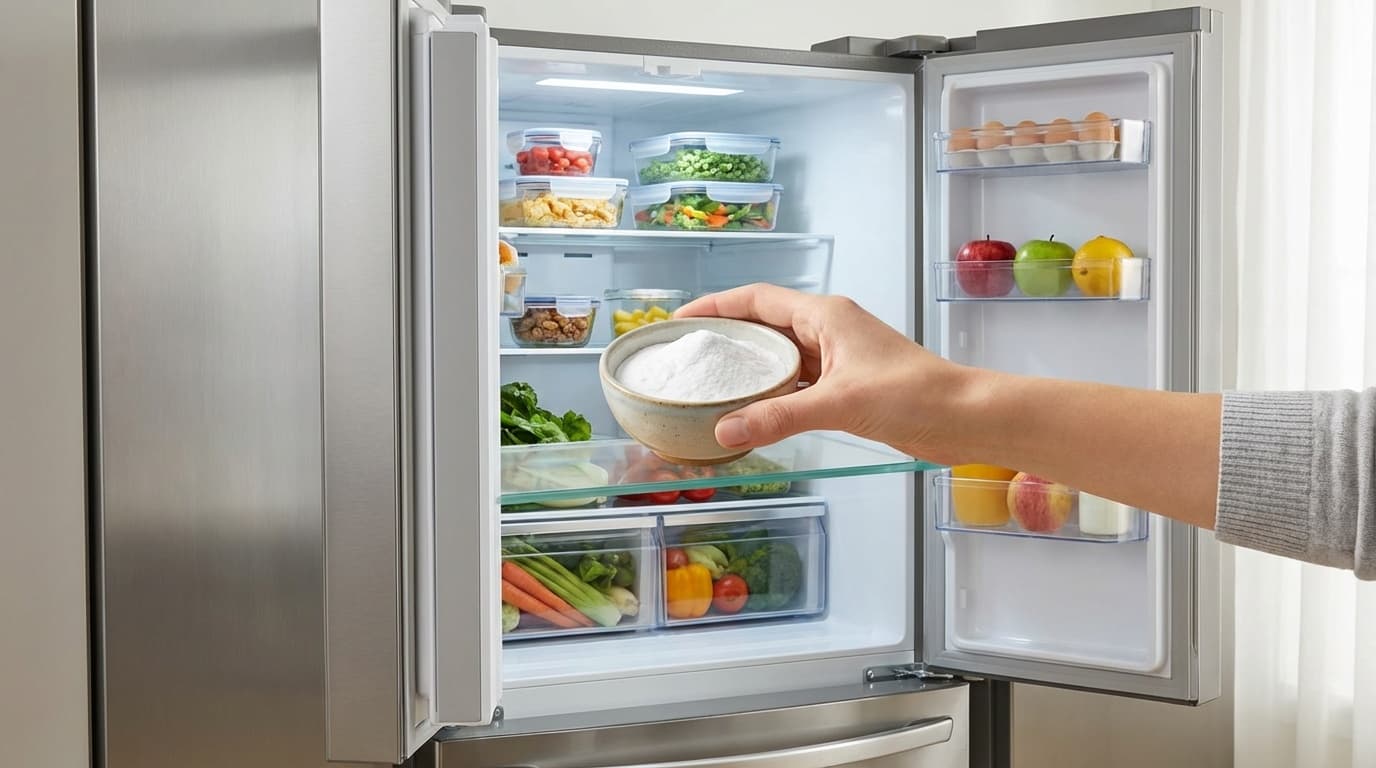
If cost performance is important to you, Baking soda is also an option. Simply pour baking soda powder into a wide-mouthed container and place it in the refrigerator with the lid open. Replace it after about 2 months, and the used baking soda can be reused for cleaning.
3. Take inventory of ingredients once a week
Check the inside of the refrigerator before shopping. You can detect expired or forgotten items early, which helps prevent rotten odors.
4. Let hot food cool before serving
If you put it in while it is still warm, the internal temperature will rise and condensation will occur. This moisture becomes a breeding ground for bacteria. Remove from heat and then transfer to a storage container.
5. Open and close the door quickly
If the door is left open for a long time, the internal temperature will rise and food will deteriorate faster. If you get into the habit of deciding what to take before opening it, you will also save on electricity bills.
What if you still can't get rid of the smell?
If the odor still persists even after trying all the above, please consider the following.
- Clogged drain (drain hose): Dirt builds up in the drain at the back of the refrigerator, causing a bad odor. Check the instruction manual to see if it can be cleaned
- Odor adsorption to insulation material: Refrigerators that have been used for many years may have odors embedded in the insulation material on the inner walls, which cannot be removed by cleaning. This will help you decide on a replacement
- Failure of deodorizing function: If your model is equipped with an automatic deodorizing unit, contact the manufacturer to see if the unit can be replaced
FAQ
What is the most effective way to remove refrigerator odors?
First of all, thorough cleaning of the inside of the refrigerator (alcohol disinfection + baking soda water wiping) is the top priority. Even if you just leave a deodorizer without cleaning, the effect will be limited if the source of the odor remains. Installing an activated carbon type deodorizer after cleaning will deodorize the area for a long time.
Which is more effective at deodorizing, baking soda or coffee grounds?
Baking soda is resistant to acidic odors, and coffee grounds absorb a wide range of odors with the fine pores on its surface. Baking soda is recommended for refrigerators because it is easier to handle and can be reused for cleaning after use.
Does the freezer smell too?
It will be. The low temperature of the freezer makes it difficult for bacteria to grow, but the odor components of food ingredients evaporate slowly even at -18°C, so if the freezer is not tightly sealed, odors may transfer. It is also effective to place a deodorizer in the freezer.
Is it normal for a new refrigerator to smell like plastic?
A new refrigerator may have a plastic or adhesive odor. When you first use it, wipe the inside of the refrigerator with baking soda water and open the door for a while to ventilate it, and it will usually settle down in a day or two.
References
- I want to get rid of refrigerator odors right away! Causes of unpleasant odors and deodorizing measures — Panasonic UP LIFE
- There's a strange smell coming from the refrigerator! Explaining the causes and ways to eliminate the odor — AQUA (Aqua Official)
- Smells from garbage and refrigerator! ? Baking soda for kitchen deodorization — Kenei Pharmaceutical Kenei Seikatsu
- Recommended popular ranking of deodorizers for refrigerators and freezers [March 2026] — My Best
- What causes the refrigerator to smell? Introducing quick cleaning methods, simple countermeasures, and deodorizers! — Hull Industries