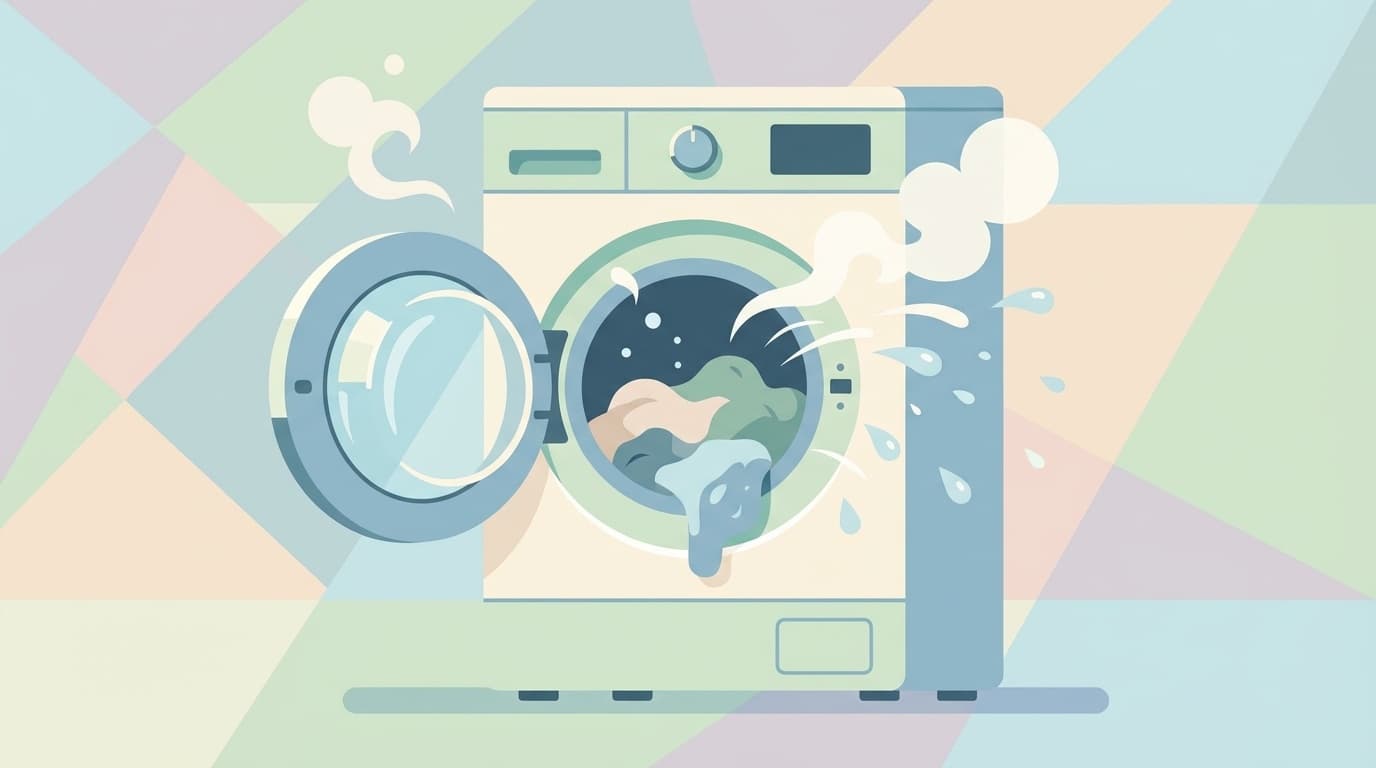
"It should have finished drying, but when I took it out it was still damp..." Having a washer/dryer is a disappointing experience. Running the dryer again will cost you more electricity and waste your time. But don't worry. Most of the reasons for not drying are things that you can easily fix yourself.
In this article, based on the official information of each manufacturer as of February 2026, we will explain in an easy-to-understand way the six reasons why your washer/dryer is not drying properly and the solutions you can try right away. Compatible with both drum type and vertical type.
Cause 1: Clogged drying filter (most common cause)
Approximately 60% of the reasons why drying does not go well is due to filter clogging. Even if you remove dust every time, the filter mesh itself may become clogged.
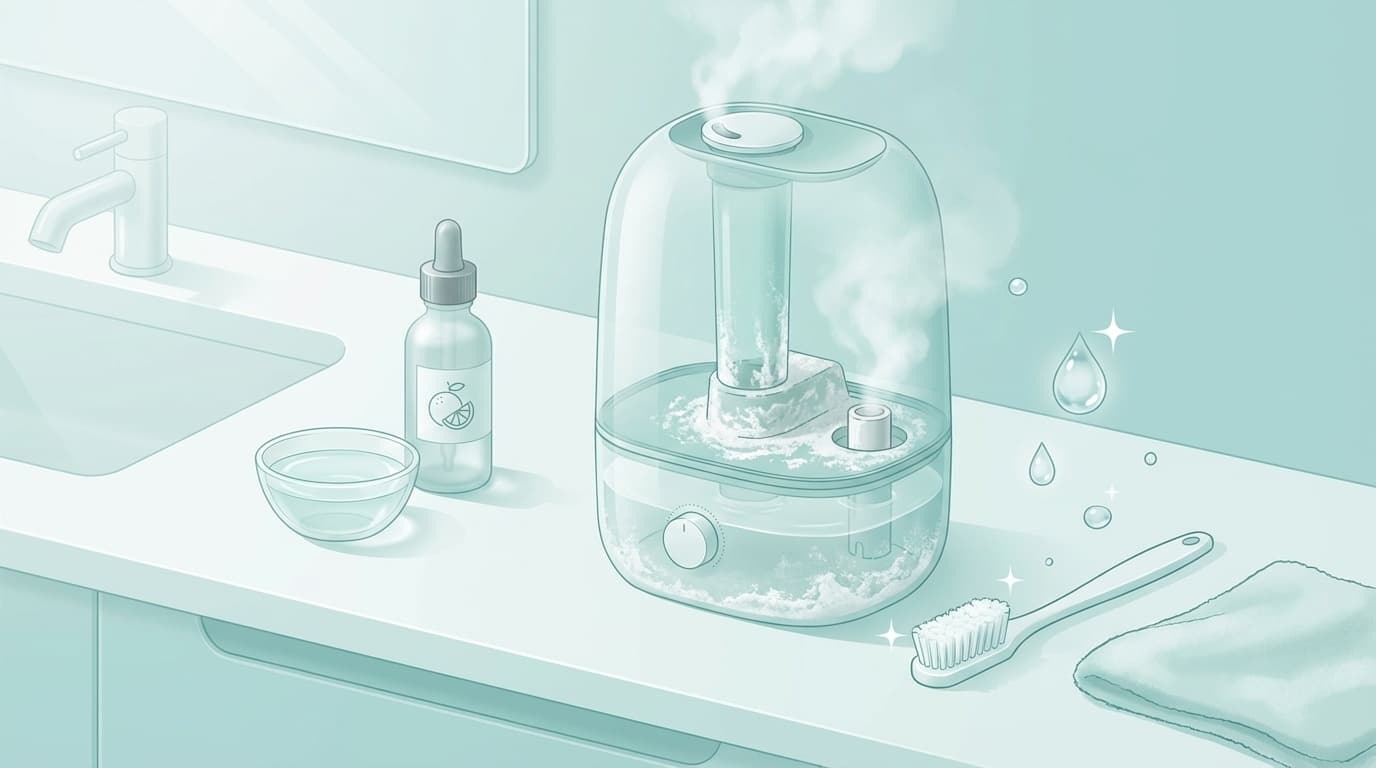
According to Panasonic's official support page, there are cases where the mesh is clogged even if no cotton-like dust is visible, and cleaning with lukewarm water is recommended.
How to deal with it
- Soak the dry filter in warm water and gently scrub the mesh with a soft brush (an old toothbrush is fine)
- Rinse with water, dry thoroughly, then set again
- Get into the habit of removing surface dust after each drying session
However, there is one thing to note. It has been pointed out that if you wash the filter too often, the finer the dust that passes through the mesh, the more likely it will fall into the inside of the washing machine. Washing should be done once or twice a month.
Cause 2: Too much laundry
What is often overlooked is the fact that drying capacity is about half of washing capacity. For example, if you have a model that can wash 12 kg/dry 6 kg, if you put all the washed clothes to dry, it will exceed the capacity and will not dry.
Hitachi's official FAQ also recommends reducing the amount of clothing and drying thick and thin clothes separately.
How to deal with it
- Keep drying capacity below 80% (There must be enough room for clothes to "dance" in the drum)
- Dry thick items such as bath towels and hoodies separately from thin items
- It is no good to dry clothes while they are in a washing net. After dehydration, remove from the net and then dry
Cause 3: The faucet is closed
You may wonder, ``Do I need water even though it's dry?'' However, Many drum-type washing machines use a ``water-cooled dehumidification method.'' This system uses tap water to cool the moisture during drying, converts it into moisture, and then discharges it.
In other words, if the faucet is closed, dehumidification cannot be performed and the air will not dry out for a long time. Be careful if you have a habit of turning off the faucet after washing.
How to deal with it
- Always keep the water faucet open during drying operation
- This problem is less likely to occur with heat pump models because they use very little water. To check which method your model uses, search the manufacturer's website using the instruction manual or model number
Cause 4: Exhaust and intake ports are blocked
Washing and drying machines draw in air, heat it, and dry it by applying it to the clothes. Are you putting things on top of the washing machine?
Especially in heat pump type drum washing machines, the drying filter part is often the air inlet, and the back right of the top is the exhaust port. If you place a detergent bottle or basket here, the air flow will be affected and the drying efficiency will drop dramatically.
How to deal with it
- Do not place anything on the top of the washing machine (especially around the exhaust and intake ports)
- Do not place the washing machine too tightly against the wall (some models require ventilation from the back as well)
- During the drying operation, open the bathroom door or turn on the ventilation fan to release moisture from the room
Cause 5: Low room temperature/high humidity
If you feel like your clothes are not drying well in the winter, this may be the cause. Colder room temperatures require the washer to use more energy to heat the air, increasing drying time.
In addition, During the rainy season and on rainy days, indoor humidity is high, making it easy for the exhausted moisture to get trapped. This is especially true for heater-type vertical washer/dryers.
How to deal with it
- During drying operation, turn on a ventilation fan or open a window slightly (to release moisture from the room to the outside)
- In winter, change the dryness setting to "firm" or "careful"
- Set the dehydration time a little longer (depending on the model, you can change the strength of dehydration)
Cause 6: Dust clogging in the drying path or inside the heat pump
If the washing machine still does not dry even after trying all the above solutions, there is a high possibility that dust has accumulated in the drying path inside the washing machine. Fine dust that cannot be removed by the filter accumulates inside the device over many years.
Particularly in heat pump drum type washing machines, the heat pump unit can become densely packed with dust, which can significantly reduce the heat exchange efficiency. Thank you! 's experience article introduces a case in which a heat pump was disassembled and cleaned for a repair cost of approximately 30,000 yen, and the drying function was restored.
How to deal with it
- First, Execute the "Tank Cleaning Course" or "Tank Drying Course" to remove dust inside that cannot be reached
- Sharp's official website provides information on drying path cleaning service (charged)
- If it has been 3 to 5 years since purchase, we recommend requesting a repair inspection from the manufacturer
- It is not recommended to disassemble and clean it yourself (risk of damage to parts and electric shock)
Repair? Replacement? Judgment guideline
We have summarized the points to consider when thinking that your product may have reached the end of its lifespan.
- Less than 7 years from purchase: Manufacturer repair is recommended. Heat pump cleaning often costs around 15,000 to 30,000 yen
- 7-10 years after purchase: Repair costs and consultation. This is also the time when parts are out of stock, so get a quote before making a decision
- 10 years or more since purchase: Consider replacing. The latest models have significantly improved energy-saving performance, and can even pay for themselves in electricity bills
By the way, the standard design life of washer/dryers is 7 years (common to all manufacturers). Exceeding this increases the risk of parts deterioration.
FAQ
Even if I clean the drying filter, errors such as "U04" do not disappear. What should I do?
Dust may be clogged not only on the filter surface but also in the internal drying path. If there is no improvement even after trying the tank cleaning course, please contact the manufacturer's repair and cleaning service. Panasonic and Sharp offer disassembly and cleaning services for a fee.
Is it okay to use the same method for vertical washer/dryers?
Basic countermeasures (filter cleaning, overfilling prevention, ventilation) are the same. However, many vertical models are heater-type and are not water-cooled dehumidifiers, so ``opening the faucet'' is not an issue for some models. Check the drying method in the instruction manual.
How much does it cost to use the drying function?
A guideline price is approximately 20 to 30 yen per use for a heat pump type, and approximately 50 to 80 yen for a heater type (calculated based on electricity rates as of February 2026). If you use it every day, the heat pump type will save you about 600 yen to 1,500 yen per month.
Is it true that adding too much fabric softener will make it harder to dry?
It's true. Adding too much fabric softener can coat the fabric's fibers too much, making it difficult for moisture to escape. The trick is to follow the specified amount and use a little less when using the drying function.
References
- [General washing machines] When the washing machine does not dry, the drying filter gets wet, or water accumulates — Panasonic official support
- The laundry is not drying well even when I run the drying operation. (drum type) — Hitachi official support
- Drum-type washer/dryer drying path care and cleaning service — Sharp official support
- [Drum-type washing machine] Cleaning the drying filter and drying path — Panasonic official support
- The fate of drum-type washer/dryers!? What I learned from a heat pump repair inspection worth 30,000 yen — Thank you! (Benesse)