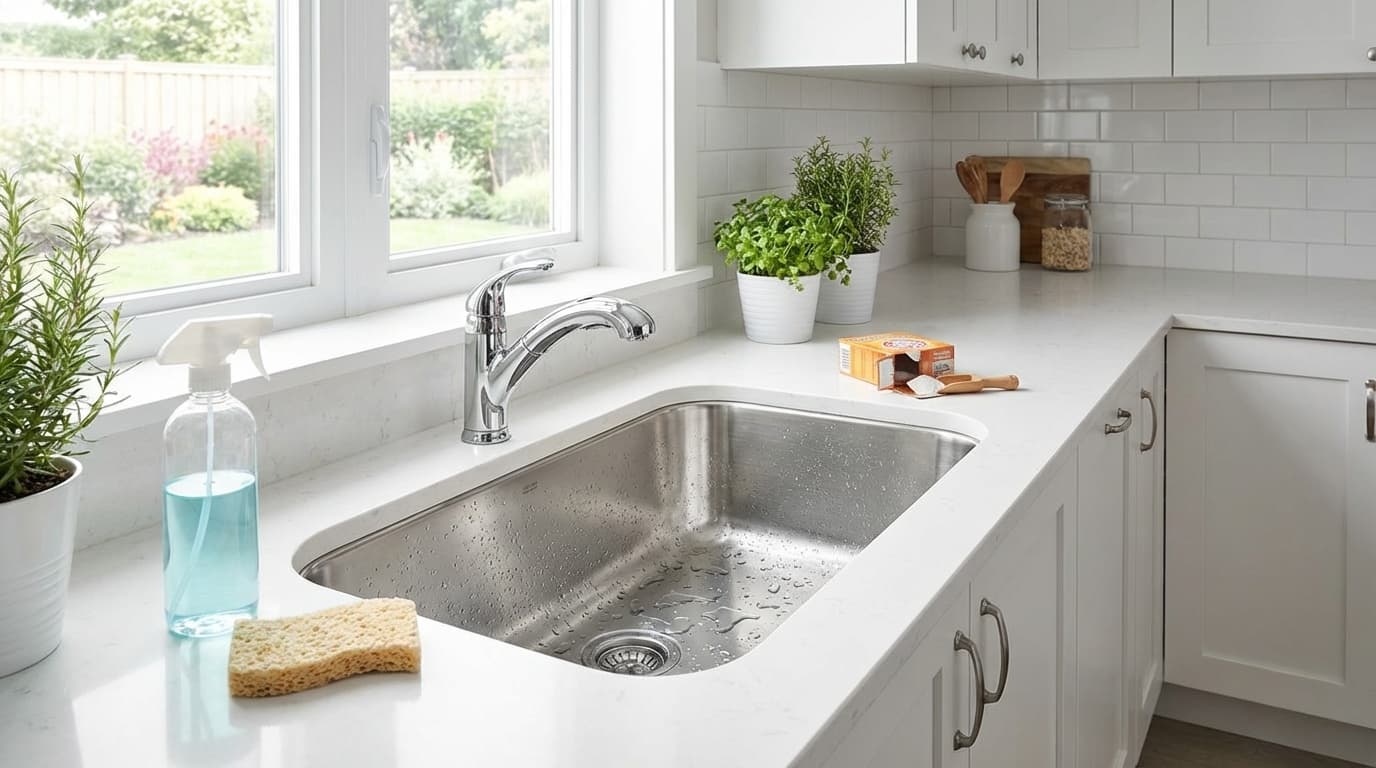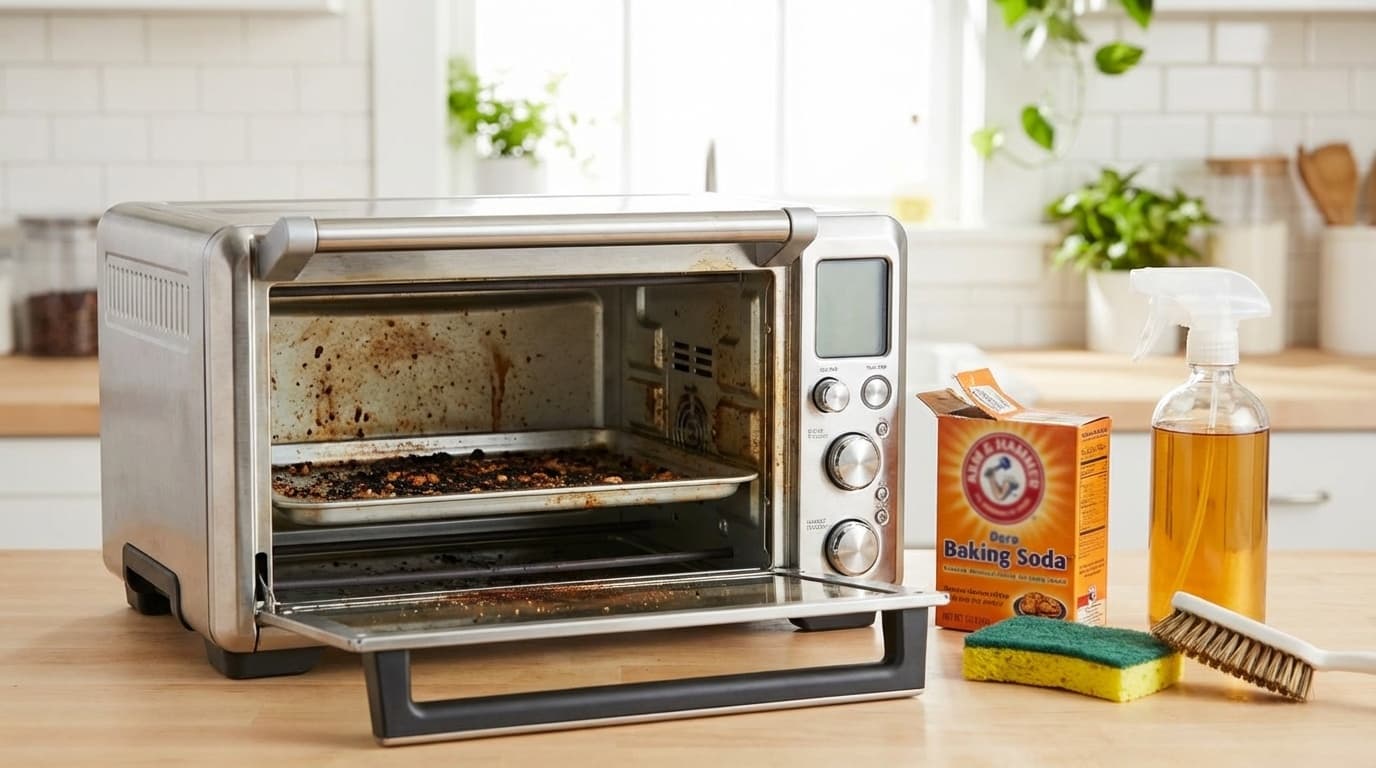
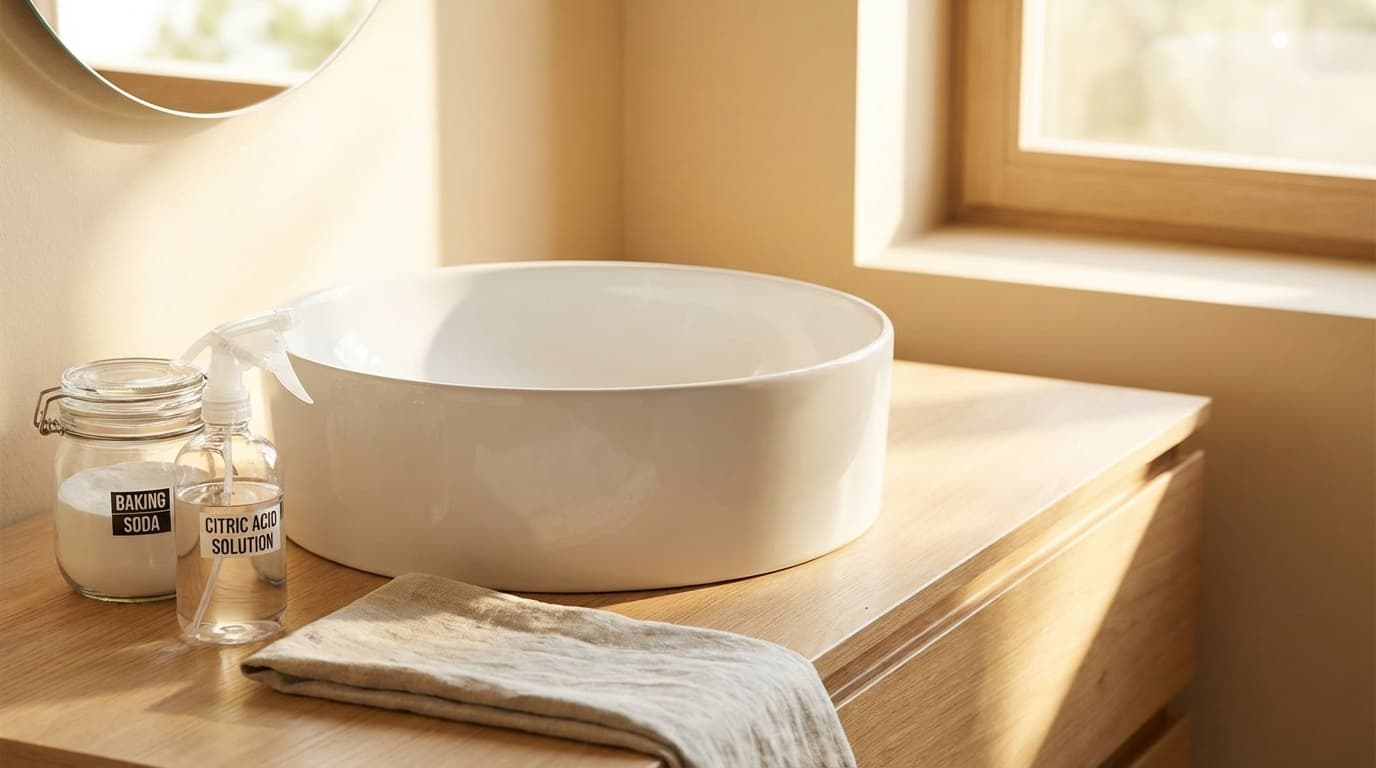
When I looked closely at the sink, I noticed that it was yellowed all over... The white water stain has solidified and doesn't budge even when you scrub it with a sponge... Have you ever had such an experience?
There are two main types of stains on the sink: yellowing and water stains. In fact, the causes and properties of these two are completely different, so even if you attack with the same detergent, only one will be removed. Furthermore, the detergent you can use will vary depending on the material of the washbowl (ceramic or resin).
In this article, based on the latest cleaning techniques as of March 2026, we will provide an easy-to-understand explanation of how to distinguish between types of dirt, the correct way to remove each type, and preventive measures to keep the material clean without damaging it.
What is the difference between yellowing and water stain? Let's know the true nature of dirt
First of all, "yellowing" and "water stains" are different stains.
The real cause of yellowing is mainly soap scum, sebum stains, and oil from cosmetics. These remain in a thin layer on the surface of the sink, and over time they oxidize and turn yellowish. In other words, it is an ``oil-based stain'' and isacidicin nature.
The true nature of water stain is minerals such as calcium and magnesium contained in tap water. When the water evaporates, only the minerals remain, forming a white crunchy film. This is a crystal of calcium carbonate, etc., and isalkalinein nature. It works on the same principle as stalactites, and the longer you leave them, the thicker the layer becomes and the harder they become.
If you make a mistake here, trying to remove yellowing with citric acid may not work, or attacking water stains with baking soda may have no effect at all. Alkaline detergent for acidic stains, acidic detergent for alkaline stains—This principle of "neutralization" is the basis of cleaning.
How to identify another nuisance, "Kore Sabi"
It looks similar to yellowing, but it is actually a different kind of stain. That is the “Itare Sabi”.
If you leave metal products such as hairpins, razors, and spray cans in the sink, the rust from the metal will transfer to the sink. This is the chorus. It is characterized by brown to orange stains.
Because rust is neither acid nor alkaline, it is caused by iron oxide, so it is difficult to remove with regular detergents. Lightly rubbing with citric acid or cream cleanser may remove the stain, but in severe cases, reducing bleach (such as Hydrohyter) may be effective. According to Rinoco's explanatory article, the key is to choose a reduced type bleach rather than a chlorine bleach.
The way to tell is simple: If there are brown stains only in places where metal was placed, it's rust, and If the entire washbowl is slightly yellow, it's soap scum yellowing.
[Yellowing Edition] How to remove with baking soda + citric acid "foam pack"
Since yellowing (soap scum and sebum stains) is an acidic stain, alkaline baking soda is effective. However, baking soda alone is insufficient for stubborn yellowing. Therefore, we recommend a ``foam pack'' that combines baking soda and citric acid.
What to prepare:
- Baking soda: 2-3 tablespoons
- Citric acid: 1 teaspoon
- Warm water: a small amount (just enough to make a paste)
- Wrap
- Soft sponge
Steps:
- Sprinkle baking soda powder evenly over the yellowed areas
- Spray a spray of citric acid dissolved in 100ml of water from above
- As bubbles will come out, cover it with plastic wrap and leave it for 15 to 30 minutes
- Remove the plastic wrap and rub gently with a soft sponge
- Rinse thoroughly with water
The true identity of the bubbles is carbon dioxide. Baking soda (alkaline) and citric acid (acidic) react and foam, and the foam gets under the dirt and lifts it. Cover with plastic wrap to prevent the foam from drying out. Kurashi no Market Magazine also introduces this method as a basic washroom cleaning method.
[Water stains] Dissolve stubborn white stains with citric acid pack
White, crunchy water stains are alkaline stains. Acidic citric acid is effective for this.
What to prepare:
- Citric acid: 2 teaspoons
- Water: 200ml
- Spray bottle
- Kitchen paper
- Wrap
Steps:
- Make citric acid water in a spray bottle
- Put kitchen paper on the water stain area and spray plenty of citric acid water on top
- Cover with plastic wrap and leave for 30 minutes to 1 hour (up to 2 hours if stubborn)
- Remove the plastic wrap and kitchen paper and rub with a soft sponge
- Rinse thoroughly with water
According to Iekobo Magazine, hard calcified water scale will never come off with just a sponge. It is necessary to dissolve the calcium carbonate crystals with the acid citric acid. However, one time may not be enough for thick and hardened water stains. In that case, it is effective to repeat 2 to 3 times or gently scrape with a plastic spatula and then apply a citric acid pack.
Caution: Always rinse thoroughly with water after using citric acid. If acid is left unattended, it may damage the material.
Notes on each material | There are differences in what can be used with ceramics and resin (artificial marble)
This is a point that is surprisingly often overlooked. Depending on the material of the washbowl, the detergents and tools that can be used vary.
Ceramic wash basin (smooth and hard surface):
- Citric acid: OK
- Baking soda: OK
- Cream cleanser: OK (but do not scrub too hard as it contains abrasives)
- Acidic detergent (Sunpol, etc.): OK (used for a short time on stubborn water stains)
- Melamine sponge: OK
Resin/artificial marble washbasin (slightly soft surface):
- Citric acid: OK (but do not leave it for a long time. Aim for less than 30 minutes)
- Baking soda: OK (avoid scrubbing the powder, use it as a paste)
- Cream cleanser: You can use it, buttest it in an inconspicuous area
- Acidic detergent (such as Sunpol): NG (the surface may become cloudy or melt)
- Melamine sponge: Caution required (may cause minor scratches)
SaniClean's housework article also recommends checking the material of the sink before choosing a cleaning method. If you are not sure whether your sink is made of ceramic or resin, check the back of the sink or the manufacturer's model number sticker.
5 habits to prevent yellowing and water spots
The easiest thing to do is to prevent dirt from accumulating in the first place before you have to work hard to remove it. Try adopting these five habits.
- Wipe water droplets after use: This is the best preventive measure. If you don't leave water droplets behind, you won't get water stains. We recommend keeping a microfiber cloth near the sink
- Once a week citric acid spray: Just spray around faucets and drains and wipe gently. Dissolves water stains before they solidify
- Rinse away soap and toothpaste splatters immediately: Soap scum can cause yellowing, so get in the habit of rinsing off with water after washing your face and brushing your teeth
- Do not place metal items directly: Always place hairpins, razors, and spray cans on top of trays or baskets. Prevents rust
- Once a month baking soda pack: Apply baking soda paste once a month and leave it on for 15 minutes to prevent soap scum and sebum buildup
FAQ
Which is better, citric acid or vinegar?
Although the effects are almost the same, citric acid is recommended. Vinegar is acidic and effective against water stains, but it leaves behind a unique smell in the bathroom. Citric acid is odorless and the concentration can be easily adjusted, making it suitable for cleaning. You can easily buy it at 100 yen shops and drug stores.
Will chlorine bleach (Kabi Killer, etc.) remove yellowing?
It is effective against black mold, but it is hardly effective against yellowing caused by soap scum and water stains. Chlorine bleach is used to break down mold and pigments, and is not suitable for cleaning mineral and oil stains. Also, when mixed with acidic detergents or citric acid, poisonous gases will be generated, so never use them together.
Is it okay to rub it hard with a melamine sponge?
There is generally no problem with ceramic washbasins, but resin (artificial marble) may have minor scratches. When it gets scratched, dirt gets into the scratch and it becomes even more dirty, creating a vicious cycle. If it's made of resin, try using a soft sponge first, and if it doesn't come off, switch to a citric acid pack.
What should I do about yellowing that won't go away no matter what I do?
Yellowing that has been left unattended for many years may be due to discoloration (deterioration over time) of the material of the washbowl itself. In this case, no matter what detergent you use, it won't come off. If it's ceramic, you may be able to restore it by having it professionally cleaned, but if it's made of resin and it's deeply discolored, it might be faster to consider replacing the washbowl.
The washbasin in my rental property is yellowed, can I clean it myself?
Normal cleaning is no problem. However, if you damage the material with acidic detergents or abrasive cleansers, you may be charged a repair fee when you move out. It is safe to try mild methods such as citric acid or baking soda first, and if the problem still does not go away, consult the management company.
References
- Basic cleaning of the washstand is done with citric acid and baking soda | Easily removes blackheads, mold, and water stains — Living Market Magazine
- [Lake stain on the washbasin] Calcified and stiff. What are the effective ways to remove it and preventive measures — Ie Kobo Magazine
- Thoroughly solve the yellowing of the washbasin! Introducing everything from causes to cleaning and prevention methods — Kita Gas Flare Strike
- What is the chorus? Causes of brown stains on the sink and how to remove them — Rinoco
- How to clean the sink without damaging it. Introducing the causes of limescale and dark spots and how to wash them — Sani Clean housework tips