Have you ever received an email that you sent to a business partner or customer and was told that it has not arrived?
Be especially careful if you are using a unique domain (email address that includes a company name or trade name). In February 2024, Google significantly strengthened its email sender guidelines, increasing the possibility that e-mails that do not support the three authentication technologies of SPF, DKIM, and DMARC will not be delivered to Gmail.
Regulations will become even stricter from November 2025, and measures have begun in which emails that do not comply with the guidelines will not only be temporarily rejected, but also permanently rejected (completely blocked). Even if you are a self-employed business owner or freelancer who thinks that ``it's not an email newsletter, so it doesn't matter,'' it actually is.
In this article, we will explain in an easy-to-understand manner the reasons why emails from your own domain end up in Gmail's spam mailbox, and the countermeasures that can be taken by both the sender and receiver.
Why aren't emails from my own domain delivered to Gmail?
Gmail's spam filter performs extremely strict checks to protect users from the billions of spam emails received every day from all over the world.
Roughly speaking, Gmail checks the identity of incoming emails by asking ``Is this email really sent from that domain?'' Three authentication technologies are used for this identity verification: SPF, DKIM, and DMARC.
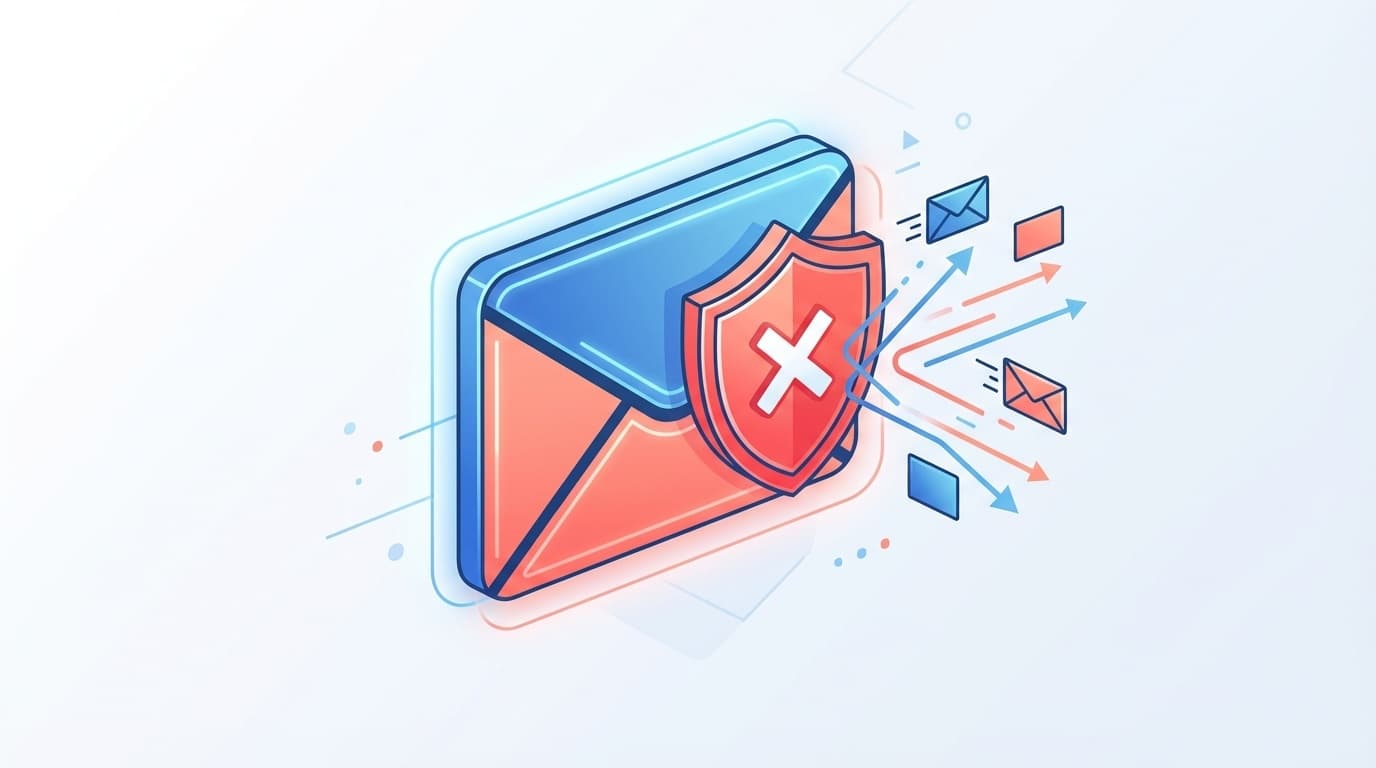
If this authentication is not set correctly, even if the email is legitimate, it will be judged as ``possibly spoofed,'' and the email will end up in the spam folder or be refused in the first place.
5 reasons why email is marked as spam
Cause 1: SPF record not set/inaccurate
SPF (Sender Policy Framework) is a mechanism that declares, ``This is the server that can send email from this domain.'' Set it to the domain's DNS (roughly speaking, the address book on the Internet).
If SPF is not set, Gmail will question whether it is really safe to send this email from that server. If you are using a rental server or email distribution service, authentication will fail if you do not include the server's IP address in SPF.
Cause 2: No DKIM signature
DKIM (DomainKeys Identified Mail) is a system that adds an electronic signature to an email to prove that the content has not been tampered with during transmission.
Since the guidelines were revised in February 2024, Gmail has started to emphasize not only SPF but also DKIM settings. In particular, if you send more than 5,000 emails a day (email newsletters, e-commerce site notification emails, etc.), DKIM settings are essential.
Cause 3: DMARC policy not set
DMARC (Domain-based Message Authentication, Reporting, and Conformance) is a mechanism in which the sender specifies how to handle emails that fail authentication based on the results of SPF and DKIM.
If there is no DMARC policy, even if SPF and DKIM are set, Gmail will determine that the sender is not serious about preventing spoofing. According to a survey by Link Co., Ltd. (February 2025), only 32.5% of companies are fully compliant with the guidelines.
Cause 4: There are elements in the email body that are likely to be judged as spam
Even if the authentication settings are perfect, the email may be marked as spam due to the content of the email.
- Shortened URL (such as bit.ly) is pasted in the main text
- Image-only email (extremely little text)
- Large attachments (especially ZIP files)
- Subject line is a bit provocative (frequent use of "urgent", "now", and "free")
In short, if the email has characteristics similar to those found in spam emails, it will be more likely to be automatically rejected.
Cause 5: The "reputation" of the sending domain is low
Google manages sending reputation (reputation score) for each domain. A domain's reputation will suffer if the same domain has received a large amount of spam in the past, or if recipients have hit the "report as spam" button at a high rate.
Google's guidelines require keeping the spam report rate below 0.3% (as of March 2026). This means that if you send 1,000 emails and 3 or more people hit the "spam" button, delivery for the entire domain may be affected.
[Sender] 5 ways to make sure your email is delivered
Solution 1: Set the SPF record correctly
Add SPF to the DNS records on the management screen of your rental server or domain management service.
For example, if you are using Xserver, add the following TXT record in the DNS record settings screen:
v=spf1 include:sv**.xserver.jp ~all
Specific setting values are listed on the help page of the server company you are using, so be sure to check there.
Solution 2: Enable DKIM
DKIM settings require generating an electronic signature on the mail server side and registering a public key on the DNS side. Modern rental servers (Xserver, Sakura, ConoHa, etc.) can often be activated with one click from the management screen, so first check the server settings screen.
Solution 3: Add DMARC record
DMARC can be set up by simply adding a single line of TXT record to DNS. The minimum settings are as follows:
_dmarc.Your domain IN TXT "v=DMARC1; p=none; rua=mailto:dmarc-report@Your domain"
Key point:Set up SPF and DKIM first, then enable DMARC at least 48 hours later. According to Google's official help, if the order is incorrect, there may be problems with email delivery.
Solution 4: Reconsider how you write emails
Even if the authentication settings are perfect, the content of the email may be judged as spam. Be aware of the following points:
- Paste the regular URL instead of the shortened URL
- Balance text and images (avoid images-only emails)
- Do not use "!", "free", and "urgent" too often in the subject line
- Specify sender's contact information (company name, address, phone number, etc.) at the end of the email
Solution 5: Check your domain's reputation with Google Postmaster Tools
Google Postmaster Tools (free) allows you to check how your domain is rated by Gmail. Gain visibility into spam rates, authentication success rates, domain reputation, and more to help identify problems.
[Receiver] What to do when an important email goes to spam email
If the settings on the sending side are insufficient, the receiving side (Gmail user) can also take some measures.
Check your spam folder and report "Not spam"
Open your Gmail spam folder, select the email that was misdirected, and click the Not spam button. This will teach Gmail that this sender is safe.
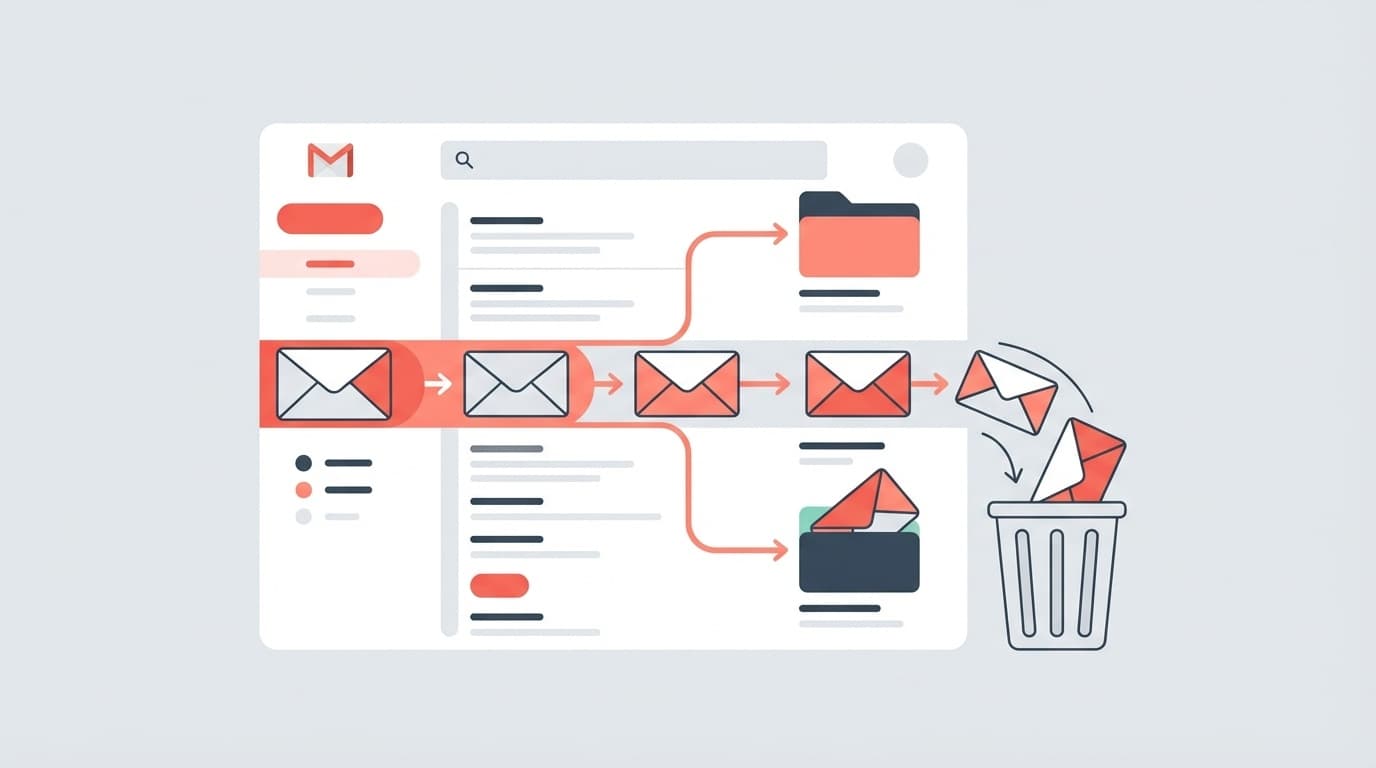
Create a filter to sort to your inbox
In Gmail Settings → "Filters and Blocked Addresses" → "Create a new filter", you can set e-mails from specific senders to "Do not mark them as spam". Enter the sender's email address or domain in From, check "Do not mark as spam" and save.
Add to contacts
If you add the sender to your Google contacts, emails from that person will be less likely to be marked as spam. If you know the person's email address, the easiest way is to add them from Google Contacts.
How to check SPF/DKIM/DMARC settings
You can easily check whether SPF, DKIM, and DMARC are set correctly for your domain using the following method.
Method 1: Send a test email with Gmail and check
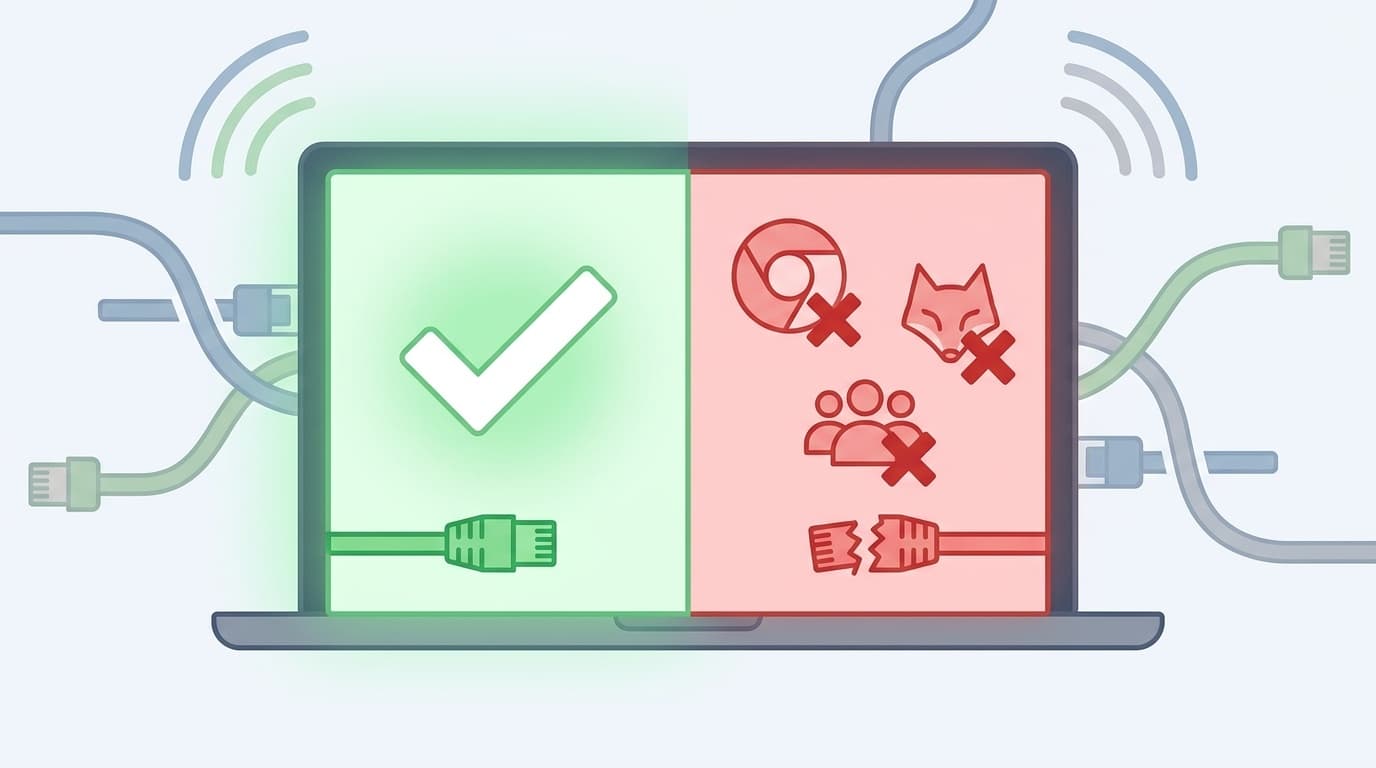
Send an email from your domain email address to your Gmail address. Open the received email and click "︙" (three dots) in the upper right corner → "View message source", and the SPF/DKIM/DMARC authentication result will be displayed as "PASS" or "FAIL".
It is OK if all three are ``PASS''. If "FAIL" or "NONE" is found, review the relevant authentication settings.
Method 2: Use online tools
You can check your domain's verification settings with the following free tools:
- MXToolbox — Check SPF, DKIM, and DMARC settings all at once
- dmarcian DMARC Inspector — Detailed analysis of DMARC records
You can use it without any technical knowledge, as you can get results just by entering the domain name.
FAQ
Are SPF, DKIM, and DMARC settings necessary for sole proprietors and freelancers?
Yes, it is necessary. Google's guidelines recommend authentication settings for all senders, regardless of sending volume. After November 2025, there will be an increasing number of cases in which unconfigured emails will be rejected, so if you want to send emails with your own domain, we recommend that you take action as soon as possible.
I am using a rental server, can I set it up myself?
Yes. Major rental servers such as Xserver, Sakura, ConoHa, and Lollipop can enable SPF and DKIM from the management screen. DMARC only requires adding one line of TXT record to the DNS record, so you can set it up while looking at the help page of each server.
Does the same problem occur with other than Gmail (Outlook, Yahoo! Mail, etc.)?
Yes. Microsoft (Outlook.com) and Yahoo! are also strengthening similar authentication checks. By setting SPF, DKIM, and DMARC, you can prevent email from being marked as spam even with major email services other than Gmail.
What should I do if I have set it up but it still goes to spam?
First, check the authentication result using "View message source" in Gmail. If the email is marked as spam even though all three are "PASS", it may be due to the content of the email body (shortened URL, incendiary phrases, etc.) or the reputation of the domain. Check your reputation score with Google Postmaster Tools.
References
- Email sender guidelines — Google Workspace Admin Help
- Troubleshooting DMARC issues — Google Workspace Admin Help
- Email sender guidelines FAQ — Google Workspace Admin Help
- One year has passed since the revision of Gmail's email sender guidelines — DMARC implementation and operation survey — Link Co., Ltd., February 2025
- Google Postmaster Tools — Google